Remote Neurofeedback Linked to Better Mental Health Outcomes
Premier Integrative & Cognitive Medical Institute
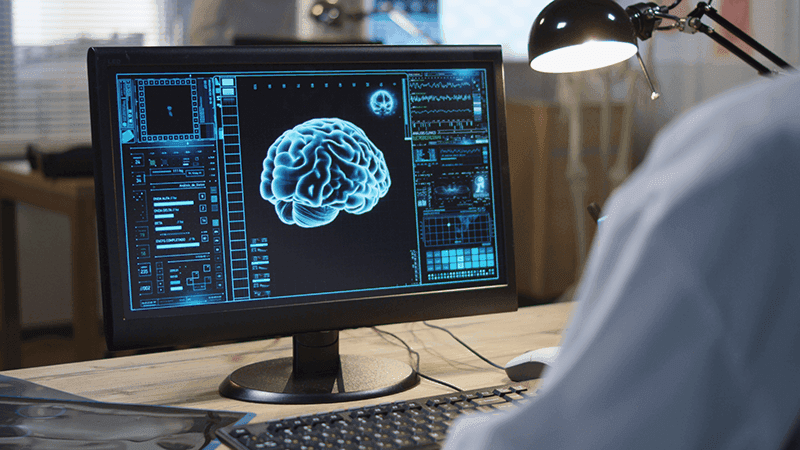
A real-world study examined outcomes from a remote, clinician-guided neurofeedback system delivered through an app for mental health support. It explored whether training the brain with real-time feedback can improve how people feel and function in everyday life.
The results were encouraging—many participants showed meaningful improvements in anxiety, depression, attention, and overall mental well-being after several weeks of training.
What Was Measured in This Neurofeedback Study
Over 500 participants took part. Most used the program for around three months. Before and after treatment, they completed standard mental health questionnaires that measure:
- Anxiety levels
- Depression symptoms
- Attention and focus difficulties
- Overall psychological well-being
Researchers then compared scores before starting versus after completing the program.
What Improved After Remote Neurofeedback Training
Across the group, many participants showed noticeable improvements in how they felt and functioned day to day. The most consistent pattern was improvement across multiple areas of mental health.
Key Findings From the Neurofeedback Study
- People with elevated anxiety symptoms saw the largest improvements overall, with many moving into a “healthy” range after treatment.
- Those dealing with depression also showed reductions in symptoms for a majority of participants.
- Individuals struggling with attention and focus (including ADHD-related symptoms) often reported improved concentration and executive functioning.
- Overall psychological distress decreased in a large portion of participants.
Importantly, these improvements weren’t limited to one area—many people experienced broader changes across mood, stress, and cognitive clarity at the same time.
What the Results Suggest About Neurofeedback
Neurofeedback is based on a simple but powerful idea: the brain can learn to regulate itself better when it receives real-time feedback about its activity. Over time, this may help reinforce healthier patterns related to attention, emotional regulation, and stress response.
This study suggests that when delivered remotely and guided by clinicians, neurofeedback may be a useful tool for helping people make measurable improvements in mental health over time.
The Future of Remote Neurofeedback Therapy
Participants reported improvements in symptoms that are often difficult to manage through traditional approaches alone. The fact that changes were seen across anxiety, mood, and attention suggests neurofeedback may support broader brain regulation.
This research adds to a growing body of evidence that brain-based training tools may have a place in modern mental health care—particularly when guided by clinicians and integrated into a larger treatment plan.
As mental health care continues to evolve, approaches like neurofeedback point toward a future where treatment is more personalized, data-informed, and focused on helping the brain learn healthier patterns of functioning. For many people, that possibility alone represents an important step forward.
Source: Whitehead J, Neeman R, Doniger G
Preliminary Real-World Evidence Supporting the Efficacy of a Remote Neurofeedback System in Improving Mental Health: Retrospective Single-Group Pretest-Posttest Study
JMIR Form Res 2022;6(7):e35636
URL: https://formative.jmir.org/2022/7/e35636
DOI: 10.2196/35636