Understanding Addiction as a Brain Regulation Condition
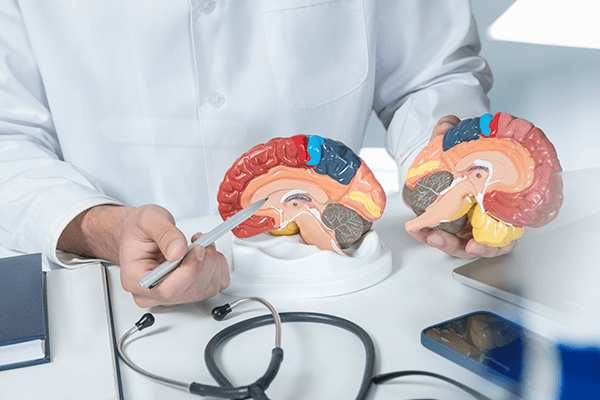
Addiction reflects changes in brain systems involved in reward, stress, and self-regulation that can develop over time through repeated patterns of behavior and reinforcement. As these pathways become more established, people may find themselves acting in ways that feel automatic or difficult to control, even when they fully understand the impact of their actions. Clinically, addiction is viewed as a brain-based condition influenced by biology, life experiences, stress, and mental health, meaning that difficulty with change is rooted in neurobiology rather than motivation alone.
Behavioral and Cognitive Signs of Addiction
These signs are typically observed in behavior, mood, and functioning over time. Clinically, they help indicate when reward-related learning and self-regulation patterns may be affecting day-to-day decision-making.
- Compulsive use despite negative consequences
- Difficulty controlling behavior
- Cravings or preoccupation
- Withdrawal symptoms or emotional distress
- Loss of interest in other activities
- Escalation over time
- Impact on relationships or responsibilities

Brain Systems Involved in Addiction
- Reward and dopamine signaling pathways
- Stress and threat-response systems
- Prefrontal executive control networks
- Habit formation circuits
- Emotional regulation systems
Evidence-Informed Treatment Approaches
- Diagnosis & Management - supports longitudinal clinical oversight and individualized care planning
- Advanced Diagnostic Testing - identifies functional, cognitive, and biologic contributors to symptoms
- Neurofeedback Therapy - supports real-time brain regulation and cognitive control training
- Ketamine-Assisted Therapy - may assist in interrupting rigid neural patterns within a structured clinical setting
- Psilocybin-Assisted Therapy - may support adaptive cognitive and emotional processing under supervision
- Peptides & Precision Supplements - supports physiologic restoration and targeted metabolic support strategies
Frequently Asked Questions About Addiction
- What is addiction?
Addiction is a chronic, brain-based condition involving dysregulation in reward, stress response, and executive control systems. These changes can lead to compulsive patterns of behavior that persist even when a person is aware of negative consequences. Current clinical understanding recognizes addiction as a neurobiological condition shaped by genetics, environment, and lived experience.
- How does addiction develop in the brain?
Addiction develops through changes in neural circuits involved in reward learning, habit formation, and self-regulation. Repeated exposure to substances or reinforcing behaviors can strengthen dopamine-driven reward pathways while weakening prefrontal control systems. Over time, this can shift behavior from voluntary choice toward more automatic, conditioned responses.
- Is addiction a choice or a disease?
Addiction is not considered a simple choice. While initial behaviors may be voluntary, long-term addiction reflects changes in brain function that affect decision-making, impulse control, and reward processing. Clinically, it is classified as a chronic medical condition influenced by biological, psychological, and environmental factors.
- Can addiction be treated?
Yes. Evidence-based, structured care can significantly improve stability, functioning, and quality of life. Effective treatment typically addresses both the underlying neurobiology of addiction and the behavioral patterns that reinforce it, often requiring individualized and ongoing support.
- Is relapse common in addiction recovery?
Yes. Relapse can occur and is widely recognized in clinical practice as part of the recovery process for many individuals. Because addiction is a chronic condition, recovery often involves cycles of improvement and vulnerability rather than a single fixed endpoint.
- What role does stress play in addiction?
Stress is a major contributing factor in both the development and persistence of addiction. It can increase activity in brain systems linked to threat and reward, heighten cravings, and reduce executive control, making it harder to interrupt established behavioral patterns.
- Can brain-based therapies help with addiction?
Certain brain-based therapies may support recovery by improving self-regulation, emotional stability, and cognitive flexibility. These approaches are typically most effective when integrated into a broader, clinically guided treatment plan that addresses multiple contributing factors.
- Does addiction always require long-term care?
Not always, but many individuals benefit from ongoing or staged support depending on severity, duration, and underlying drivers. Because addiction affects multiple brain systems, sustained care can help reinforce long-term stability and reduce relapse risk.
- Is recovery from addiction possible?
Yes. Many individuals achieve meaningful, sustained recovery. Outcomes are generally strongest when care is personalized and addresses the biological, psychological, and environmental factors that contribute to the condition over time.
When to Consider a Professional Evaluation
If substance use or behavioral patterns are starting to affect daily routines, relationships, work, or overall wellbeing, it may be helpful to consider a structured evaluation to better understand what is going on. Many people find that early clarity can make it easier to identify underlying drivers and decide what kind of support, if any, feels appropriate next. Early understanding can help reduce uncertainty and support more stable long-term outcomes.
Complimentary Consultation
Speak with a member of our clinical team to discuss your symptoms, goals, and whether a comprehensive evaluation is the right next step.