What is Anxiety?
Anxiety is a condition involving persistent activation of the brain’s threat-detection and stress-response systems. It reflects how the nervous system processes perceived risk and uncertainty, often extending beyond immediate or objective danger.
Anxiety can range from adaptive, short-term stress responses to more persistent patterns that interfere with sleep, focus, emotional regulation, and physical well-being. It is influenced by brain network function, autonomic regulation, sleep quality, and underlying biological factors.
Common Symptoms of Anxiety
Anxiety can present across emotional, cognitive, and physical domains.
- Persistent worry or anticipatory fear
- Restlessness or feeling “on edge”
- Difficulty controlling anxious thoughts
- Racing thoughts or mental overactivity
- Muscle tension or physical discomfort
- Sleep disturbance or difficulty staying asleep
- Fatigue despite adequate rest
- Difficulty concentrating or mental “fog”
- Irritability or heightened emotional reactivity
- Physical symptoms such as rapid heartbeat, sweating, or shortness of breath
Symptoms may fluctuate depending on stress load, sleep quality, and nervous system regulation capacity.

How Anxiety Affects the Brain and Nervous System
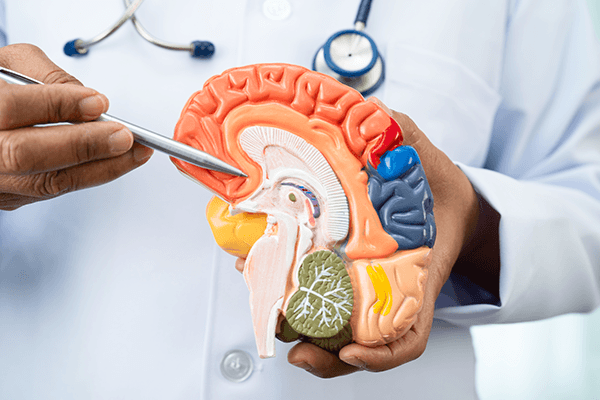
Anxiety is associated with changes in neural circuits involved in threat detection, emotional regulation, and physiological arousal.
- Limbic structures involved in fear and threat processing
- Prefrontal networks that regulate cognitive control and perspective
- Autonomic nervous system balance between sympathetic and parasympathetic activity
- Stress hormone regulation involving cortisol and adrenal signaling
- Sleep and circadian rhythm systems that support recovery and resilience
Over time, these systems may become more reactive and less flexible, contributing to sustained hypervigilance and difficulty returning to a calm baseline state.
Approaches to Understanding and Treating Anxiety
Anxiety is most effectively addressed when contributing biological, psychological, and neurological factors are considered together. Approaches vary depending on symptom severity, duration, and underlying drivers.
- Ketamine-Assisted Therapy- Used in selected cases to support disruption of rigid anxiety and trauma-related patterns within a structured therapeutic setting.
- Psilocybin-Assisted Therapy- Considered in carefully screened cases where entrenched fear-based or rigid cognitive patterns may benefit from increased psychological flexibility.
- Neurofeedback (qEEG-Guided) for Anxiety Regulation- Training-based approach that supports improved self-regulation of brain activity patterns associated with hyperarousal, worry loops, and autonomic imbalance.
- Genomic Testing for Stress and Neurotransmitter Pathways- Helps identify genetic influences on stress response, neurotransmitter balance, and nervous system regulation.
- Advanced Blood-Based Diagnostics- Assesses inflammation, hormonal balance, metabolic function, and physiological stress contributors linked to anxiety symptoms.
- Peptides & Precision Supplement Support- Physician-guided support targeting energy regulation, stress physiology, and neurobiological systems involved in resilience.

Frequently Asked Questions About Anxiety
- Is anxiety a mental health disorder or a normal response?
Anxiety is a normal biological response to perceived threat, but it becomes a clinical condition when it is persistent, excessive, or disruptive to daily functioning.
- What causes anxiety in the brain?
Anxiety involves heightened activity in threat-detection systems and reduced regulatory control from prefrontal networks, influenced by stress, sleep, genetics, and environment.
- Can anxiety affect physical health?
Yes. Chronic anxiety can affect sleep, immune regulation, cardiovascular function, digestion, and overall energy balance.
- Why does anxiety sometimes come and go?
Anxiety often fluctuates based on stress exposure, sleep quality, hormonal cycles, and nervous system load.
- Is anxiety treatable?
Yes. Many individuals experience meaningful improvement when underlying biological and psychological contributors are identified and addressed.
- Can lifestyle changes improve anxiety?
Sleep regulation, physical activity, nutrition, and stress management can all influence nervous system stability and may reduce symptoms.
- How is anxiety diagnosed?
Diagnosis is based on clinical evaluation of symptoms, duration, functional impact, and contributing medical or psychological factors.
Complimentary Consultation
Speak with a member of our clinical team to discuss your symptoms, goals, and whether a comprehensive evaluation is the right next step. This brief, no-obligation consult is designed to provide clarity and direction.