What is depression?
Depression, or major depressive disorder, is a mood-related condition characterized by persistent changes in emotional state, cognitive patterns, and physical energy levels.
It develops through a combination of biological, psychological, and environmental factors, including genetics, chronic stress, trauma exposure, sleep disruption, and neurochemical regulation.
Rather than a single cause, depression typically reflects multiple interacting systems that affect how the brain maintains stability, motivation, and emotional balance.
Common Symptoms of Depression
Depression can present differently from person to person. Symptoms may be emotional, cognitive, or physical.
- Persistent low mood or emotional flattening
- Loss of interest or pleasure in previously meaningful activities
- Fatigue or low physical energy
- Difficulty concentrating or making decisions
- Changes in sleep patterns (insomnia or hypersomnia)
- Changes in appetite or weight
- Feelings of guilt, hopelessness, or self-criticism
- Slowed thinking or physical movement
- Increased irritability or emotional sensitivity
- Thoughts of worthlessness or diminished self-esteem
Symptoms may fluctuate in intensity and are often influenced by stress, sleep quality, and overall brain regulation.

How Depression Affects the Brain
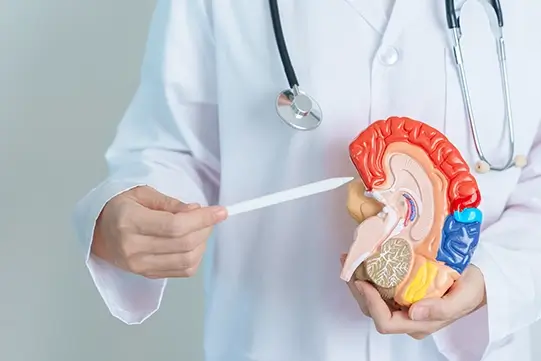
Depression is associated with changes in several key brain systems that regulate mood, motivation, and stress response.
- Reward circuitry, which affects motivation and pleasure
- Prefrontal networks, which support focus, decision-making, and emotional regulation
- Limbic system activity, which processes emotional responses and threat detection
- Stress-response systems involving cortisol and autonomic regulation
- Sleep and circadian rhythm networks that influence recovery and energy balance
Over time, these systems can become less flexible, making it harder for the brain to shift out of negative emotional states or respond to positive experiences.
Treatment Approaches for Depression
Treatment for depression is most effective when it addresses both symptoms and underlying biological drivers. Approaches may vary depending on severity, history, and contributing factors.
- Ketamine-Assisted Therapy- Structured, physician-directed intervention that may help interrupt rigid depressive thought loops and support increased cognitive and emotional flexibility within a controlled therapeutic setting
- Psilocybin-Assisted Therapy- Carefully screened, medically supervised care for selected depressive or existential patterns where entrenched cognitive and emotional rigidity may benefit from enhanced psychological flexibility
- Neurofeedback (qEEG-Guided) for Mood Regulation- Training-based approach that supports improved self-regulation of brain activity patterns associated with mood stability, focus, and emotional resilience
- Genomic Testing for Mood & Brain Function- Identifies genetic factors that may influence neurotransmitter function, stress response, and metabolic pathways associated with depressive symptom patterns
- Advanced Blood-Based Diagnostics- Assesses biological contributors such as inflammation, hormonal imbalance, metabolic dysfunction, and nutrient-related factors associated with depression
- Peptides & Precision Supplement Support- Physician-guided metabolic and cellular support targeting energy regulation, inflammation, and neurobiological systems that may contribute to depressive symptoms

Depression FAQ
- Is depression a chemical imbalance?
Depression is not caused by a single chemical imbalance. It involves multiple interacting systems in the brain, including neurotransmitters, stress pathways, inflammation, and neural network regulation.
- Can depression affect physical health?
Yes. Depression is associated with changes in sleep, immune function, energy regulation, and inflammation, which can influence physical health over time.
- Why does depression sometimes return?
Depression can recur when underlying biological, psychological, or environmental drivers are not fully resolved. Stress, sleep disruption, and life transitions can also contribute to recurrence.
- Is depression treatable?
Yes. Many individuals experience significant improvement with appropriate, individualized care. Outcomes depend on identifying contributing factors and selecting the right combination of treatments.
- How is depression diagnosed?
Diagnosis is based on clinical evaluation, including symptom patterns, duration, functional impact, and medical history. Additional assessments may be used when appropriate.
- Can lifestyle changes help depression?
Yes. Sleep, nutrition, physical activity, and stress regulation can all influence brain function and may support recovery when combined with clinical treatment.
Complimentary Consultation
Speak with a member of our clinical team to discuss your symptoms, goals, and whether a comprehensive evaluation is the right next step. This brief, no-obligation consult is designed to provide clarity and direction.