Psychedelics and TBI: What Athlete Experiences Reveal About Recovery
Premier Integrative & Cognitive Medical Institute

Traumatic brain injury (TBI) remains one of the most challenging conditions in modern medicine. From persistent headaches and memory problems to depression, anxiety, sleep disruption, and emotional dysregulation, the long-term effects of concussion and repetitive head trauma can be life-altering. Despite advances in rehabilitation and neurological care, many patients continue to experience symptoms long after the initial injury.
Against this backdrop, psychedelic-assisted therapy has emerged as a promising area of research. Scientists are investigating whether compounds such as psilocybin, MDMA, and DMT-containing medicines may help address some of the psychological and neurological symptoms associated with TBI. Preliminary evidence suggests psychedelics may influence neuroplasticity—the brain's ability to form and reorganize neural connections—and may offer benefits for conditions that frequently accompany brain injury, including depression, anxiety, PTSD, and substance use disorders.
Few groups have brought attention to this emerging field more than professional athletes.
For years, athletes in contact sports have lived at the intersection of performance, injury, and mental health. Retired hockey players, football players, boxers, and mixed martial artists have increasingly shared personal accounts of turning to psychedelic therapies after exhausting conventional treatment options. Their stories are not scientific proof, but they offer a compelling window into why interest in these therapies continues to grow.
Among the most prominent voices is former NHL player Daniel Carcillo. After a career marked by multiple diagnosed concussions and years of debilitating post-concussion symptoms, Carcillo became a leading advocate for psychedelic research. Following his own experiences with psychedelic-assisted healing, he shifted his focus from professional hockey to advancing research into psychedelic therapies for traumatic brain injury. He later co-founded initiatives dedicated to studying psilocybin and other psychedelic compounds for TBI-related symptoms.
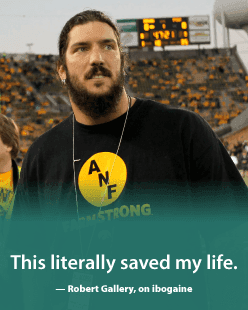
Carcillo's experience is not unique. Former NFL players, including Jordan Poyer, Robert Gallery, and others, have publicly discussed seeking psychedelic therapies to address the cumulative effects of repeated head trauma. Their accounts frequently describe improvements not only in symptoms associated with concussion recovery but also in broader aspects of well-being, including emotional health, relationships, and quality of life. While the details differ from person to person, many report feeling that psychedelic experiences helped them process trauma, reduce anxiety, improve mood, and regain a sense of purpose after their playing careers ended.


The stories of these athletes, combined with the rapid growth of psychedelic research, highlight a powerful shift in the future of brain health. What was once considered a fringe area of medicine is now attracting serious scientific attention and delivering promising results for individuals seeking new approaches to recovery. As our understanding of psychedelics continues to evolve, these therapies have the potential to transform how we think about healing after brain injury. For countless people living with the lasting effects of TBI, that future cannot come soon enough.