Ketamine Therapy: Why It's Gaining Attention in Mental Health Care
Premier Integrative & Cognitive Medical Institute
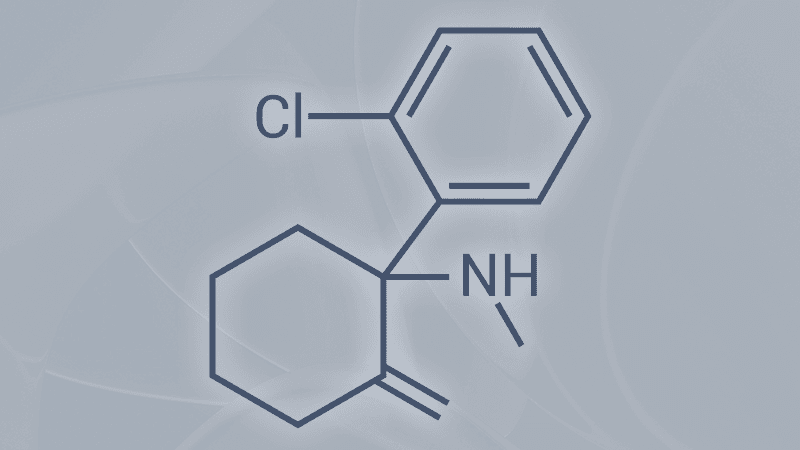
Ketamine therapy is no longer just a niche treatment—it’s becoming a prominent option for individuals whose symptoms haven’t fully responded to traditional approaches. At PICMI, we view ketamine as a clinical tool, not a quick fix, used strategically within structured care to support meaningful, lasting change.
What Conditions Can Ketamine Therapy Treat?
Ketamine therapy is used to target a range of mental health and neurological challenges. It can support recovery and symptom relief where traditional treatments may not be enough:
- Treatment-resistant depression
- Anxiety disorders
- Post-traumatic stress disorder (PTSD)
- Obsessive-compulsive disorder (OCD) and rigid thought patterns
- Chronic pain syndromes
Why Ketamine Stands Out for Treatment-Resistant Conditions
Traditional antidepressants often take weeks to work, and many patients see only partial improvement. Ketamine acts differently: it targets glutamate pathways and NMDA receptors, creating a brief window of neuroplasticity—a period when the brain is more flexible and receptive to change.
This rapid effect is why ketamine is increasingly preferred by some patients:
- Fast-acting relief: Symptoms of depression or suicidal thoughts may improve within hours of a session.
- Fewer sessions, less daily burden: Unlike traditional antidepressants, which must be taken every day, ketamine is typically administered in a short course of sessions, making it easier for patients to integrate into busy lives.
- Support for treatment-resistant cases: Those who haven’t benefited from multiple medication trials may find meaningful improvement.
The Promise of Integrated Ketamine Therapy
Ketamine’s power is amplified when combined with structured, integrative therapy. In tandem with the brain flexibility that results from ketamine therapy, integrative therapy helps patients:
- Translate neural flexibility into lasting behavioral and emotional change
- Process trauma, grief, or entrenched thought patterns
- Learn tools for regulation, resilience, and cognitive flexibility
This combination is why patients often experience more durable improvements than with ketamine or therapy alone. It’s not just about symptom relief—it’s about rewiring the brain in a safe, structured, and meaningful way.
At PICMI, ketamine is part of a comprehensive, integrated approach that addresses the brain, nervous system, and lived experience—ensuring each patient’s treatment is precise, safe, and sustainable.
Further Reading
A large, multisite clinical trial published in the New England Journal of Medicine compared intravenous ketamine with electroconvulsive therapy (ECT) for adults with non-psychotic, treatment-resistant major depression. The study found that ketamine was noninferior to ECT in reducing depressive symptoms over a three-week treatment period, with similar improvements in quality of life reported during six months of follow-up. (Read the Trial: Ketamine versus ECT for Nonpsychotic Treatment-Resistant Major Depression)