Why Symptom Management Isn’t Enough: The Rise of Integrative Brain Medicine
Premier Integrative & Cognitive Medical Institute
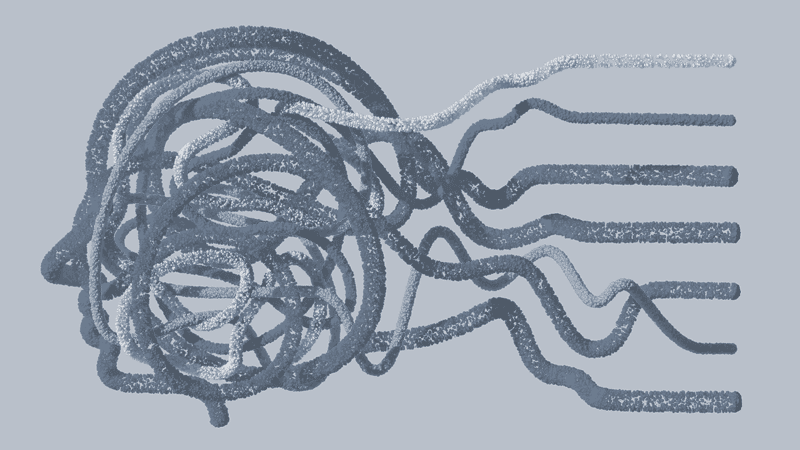
For decades, mental health care has largely focused on managing symptoms. Depression is treated with medication. Anxiety with therapy or lifestyle adjustments. Brain fog with rest and stress reduction. For some, this works. For many, it doesn’t. Symptoms improve temporarily, only to return, leaving patients frustrated and stuck in cycles that feel endless.
The reason isn’t failure—it’s perspective. Symptoms are not the root of the problem. They are signals. Messages from the brain and body pointing to deeper patterns: disrupted neural circuits, inflammation, hormonal imbalances, or trauma that has never been fully processed. Addressing symptoms alone rarely creates lasting change.
Integrative brain medicine approaches mental health differently. It blends psychiatry, neurology, cellular medicine, and trauma-informed care to look at the whole person. Brain mapping, genetic testing, metabolic evaluation, and comprehensive medical assessments reveal hidden drivers of mood, cognition, and resilience. Instead of asking “How do we reduce symptoms?” the question becomes “What is causing them—and how can we support the brain and body to heal?”
Take the example of chronic anxiety. Someone may experience racing thoughts, sleep disruption, and tension for years. Traditional care might provide short-term relief, but integrative care examines why the brain perceives constant threat. It identifies metabolic contributors, neural patterns, and emotional triggers, creating a tailored plan that addresses the root causes.
Healing isn’t just science—it’s also human connection. Patients consistently describe relief not just from symptoms, but from finally being understood. Integrative care values the lived experience, the context, and the personal story alongside measurable biological data.
Ultimately, the goal is transformation, not temporary relief. By treating the brain as a network, not an isolated organ, and supporting the whole person—body, mind, and spirit—patients gain clarity, resilience, and renewed purpose. Symptom management is just the beginning; real healing comes when we understand and treat the system beneath.