Psilocybin in Media: Insights from the Docuseries How to Change Your Mind
Premier Integrative & Cognitive Medical Institute
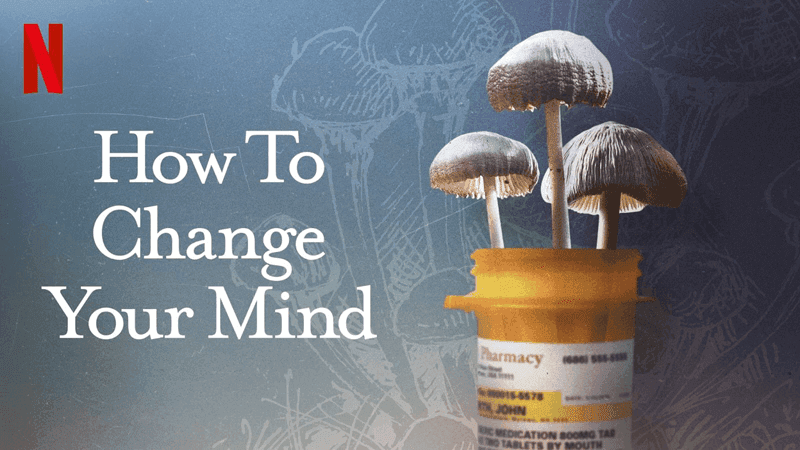
How to Change Your Mind is a docuseries that explores the history, science, and therapeutic potential of psychedelics. Each episode focuses on a different compound, tracing its origins, early scientific use, and relevance in modern clinical research. Through a combination of science and stories about experiences, the series shows how psychedelics, when used in a safe and guided setting, can be a powerful tool for addressing depression, anxiety, trauma, addiction, and other challenging mental health conditions.
Chapter 2 focuses on psilocybin, and opens by grounding psilocybin in its Indigenous roots, showing how mushrooms containing the compound were used for healing, divination, and spiritual communion.
The narrative moves into the present, where psilocybin is being used in carefully structured, clinically supervised settings. Much of the episode is devoted to the emotional testimonies of participants in research studies—people grappling with terminal diagnoses, long-standing depression, and addictions that seemed immovable through conventional treatment. Their descriptions of psilocybin sessions often revolve around unexpected emotional clarity, profound feelings of connection, and the ability to revisit painful memories without being overwhelmed by them. These stories serve as illustrations of a larger scientific insight: that psilocybin can temporarily disrupt rigid patterns of thought, offering the brain a period of flexibility in which new perspectives can form.
One of the most striking stories in the episode comes from a man suffering from severe, life-limiting obsessive-compulsive disorder. His routines and compulsions had dominated nearly every hour of his day, and conventional therapies had provided only limited relief. After participating in a psilocybin study, he describes a profound shift: the obsessive loops that had once felt inescapable simply lost their grip. His account becomes one of the episode’s most humanizing examples of how the compound can reduce not just symptoms but the sense of imprisonment that chronic mental illness can create.
Throughout the episode, it is emphasized how important context is. Psilocybin is shown not as a quick fix or a recreational escape, but as a tool whose value depends heavily on preparation, emotional support during the session, and post-session integration with a trained therapist. “Set and setting” become recurring themes—mindset, environment, and intention shape the therapeutic experience.
By the end, the episode situates psilocybin in a broader conversation about mental health, meaning, and the possibilities of psychological healing. It leaves viewers with the sense that the compound’s power lies not only in its chemistry but in its ability to help people confront themselves with honesty, compassion, and courage.