Can Psilocybin Help PTSD? What 60 Minutes Shows
Premier Integrative & Cognitive Medical Institute
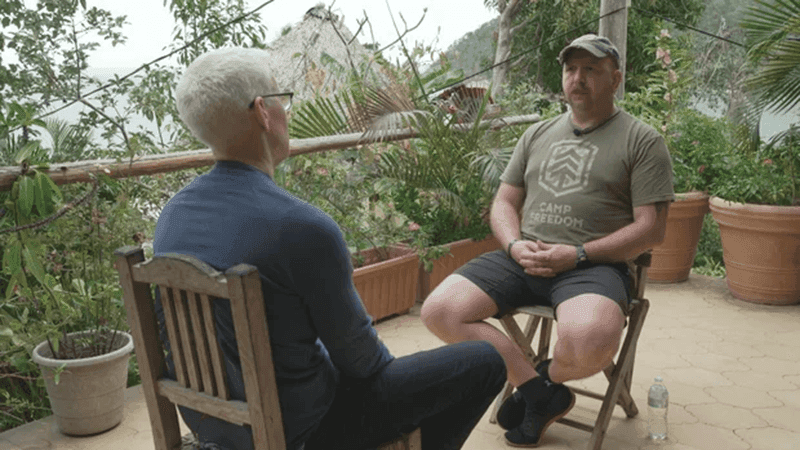
A recent 60 Minutes report is bringing renewed attention to one of the most closely watched areas of mental health research: psychedelic-assisted therapy for post-traumatic stress disorder (PTSD).
In its August 16, 2026, episode, 60 Minutes revisited nine U.S. veterans who traveled to Mexico in 2024 for a psychedelic retreat organized by the Heroic Hearts Project. Nearly a year later, eight of the nine veterans reported that their symptoms had improved and described the experience as life-changing.
Their stories offer a compelling look at both the potential of psychedelic experiences and the importance of safety, clinical oversight, and continued research.
Why Veterans Are Exploring Psychedelic Therapy for PTSD
The veterans featured in the report had lived through combat, loss, trauma, and years of symptoms that continued long after their military service.
Former Army staff sergeant Randy Weaver described years of guilt surrounding the death of fellow soldiers. He had already tried approaches including talk therapy, exposure therapy, meditation, and antidepressant medication, yet continued to struggle with PTSD.
Former Marine and firefighter Ed Glover described persistent anger, anxiety, and hypervigilance after serving in Afghanistan.
For these veterans, psychedelics represented something different: an opportunity to approach painful experiences from a new perspective.
That possibility is one reason psychedelic-assisted therapy has attracted increasing scientific interest. Rather than simply suppressing symptoms, researchers are investigating whether psychedelic experiences, when paired with appropriate therapeutic support, may help people engage with difficult emotions, memories, and patterns in new ways.
What Veterans Experienced During Psilocybin Treatment
The 60 Minutes report also illustrates an important point that can sometimes get lost in discussions about psychedelics: experiences vary considerably.
During the retreat, the veterans participated in psilocybin ceremonies followed by a ceremony involving 5-MeO-DMT. Some described powerful emotional experiences and new perspectives on traumatic memories.
Weaver said he experienced an imagined return to combat scenes involving friends he had lost, which he later described as bringing him a sense of peace.
But TJ Duff had a very different experience. He found the psychedelic experience unsettling and ultimately left the retreat. According to the report, his mental health subsequently declined, and he returned to antidepressant medication.
His experience is an important reminder that psychedelic therapy is not a guaranteed solution, and that a powerful psychological experience is not automatically a therapeutic one.
What Clinical Trials Are Revealing About Psychedelic Therapy
The story also highlights the gap between growing public interest in psychedelics and the scientific and regulatory work still underway.
The Department of Veterans Affairs has been involved in clinical trials examining psychedelics including psilocybin and MDMA for PTSD, depression, addiction, and other mental health conditions. The VA's former top doctor, Dr. Shereef Elnahal, told 60 Minutes that psychedelic retreats can raise safety concerns because environments outside regulated medical settings cannot necessarily be monitored or certified.
At the same time, Elnahal expressed optimism about the potential of psychedelic-assisted treatments and emphasized the need for larger clinical trials to determine whether promising early results can be reproduced and to better understand potential adverse effects.
That distinction is critical.
Research into psychedelic-assisted therapy is advancing, but promising findings are not the same thing as definitive proof. Larger and carefully controlled studies are needed to understand who may benefit, who may be at greater risk, how treatments should be delivered, and how psychedelic experiences can best be integrated into ongoing mental health care.
Veterans Report PTSD Improvements Nearly a Year Later
Perhaps the most striking part of the 60 Minutes follow-up was what happened after the retreat.
Nearly a year later, eight of the nine veterans interviewed by the program said their symptoms had improved. Glover reported that suicidal thoughts he had experienced before the retreat were no longer present. Weaver similarly said he had not experienced suicidal thoughts since his psychedelic experience.
These individual stories cannot establish that psilocybin is an effective treatment for PTSD on their own. But they do help explain why researchers, clinicians, veterans, and policymakers are paying such close attention to the field.
For people who have spent years searching for relief, even the possibility of a new therapeutic pathway can be meaningful.
What's Next for Psychedelic-Assisted PTSD Treatment
The 60 Minutes report captures a field at an important moment. Psychedelics are moving from the margins of mental health conversations into serious scientific investigation, while questions about safety, regulation, treatment protocols, patient selection, and long-term outcomes remain central.
For veterans living with PTSD, the hope is not simply that psychedelics will provide a powerful experience. The larger goal is finding treatments that can safely help people process trauma, regain perspective, and build a healthier life afterward.
At PICMI, we believe that distinction matters. Psychedelic-assisted therapy should be approached thoughtfully—with careful screening, medical oversight, preparation, and integration rather than as a quick fix or a one-size-fits-all solution.
The stories featured by 60 Minutes are encouraging, but perhaps their greatest value is that they remind us why continued research matters.
The future of PTSD treatment may look different from the past. And as science continues to investigate psychedelic-assisted therapy, there is reason to remain hopeful that more effective and personalized options may become available to people who have not found lasting relief through conventional approaches.
Source: CBS News, 60 Minutes, "Nine veterans with PTSD went to Mexico for a psychedelic retreat. This is how they felt nearly a year later," August 16, 2026.