The Science-Backed Benefits of Neurofeedback for Your Brain
Premier Integrative & Cognitive Medical Institute
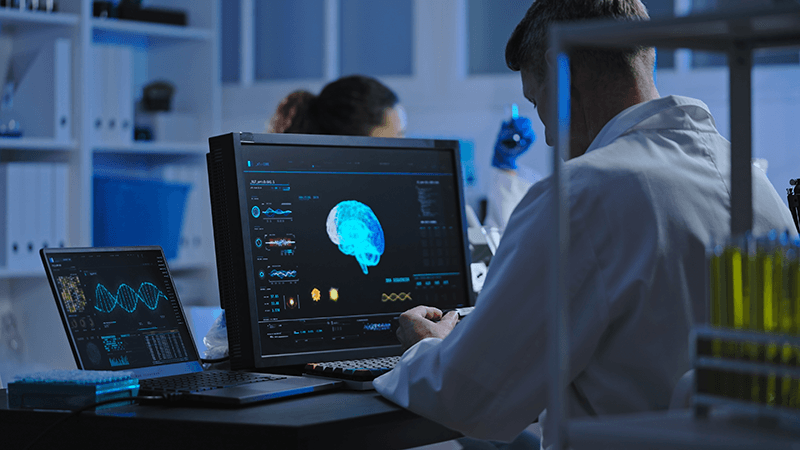
At PICMI, we see patients every day whose brains are overworked, under-rested, or struggling to keep up with life’s demands. Neurofeedback therapy offers a science-backed, non-invasive approach to help your brain function more efficiently, restore balance, and optimize cognitive and emotional performance. By retraining neural activity, neurofeedback supports improved focus, emotional regulation, restorative sleep, and a more resilient response to stress.
Key Benefits of Neurofeedback
Sharper Focus and Mental Clarity
Difficulty concentrating, mental fatigue, or brain fog can interfere with work, school, or daily life. Neurofeedback targets brainwave patterns linked to attention and executive function, helping the brain operate more efficiently. Patients often notice:
- Improved concentration and task completion
- Faster processing and decision-making
- Reduced mental fatigue and clearer thinking
Emotional Stability and Mood Support
Imbalanced neural activity can contribute to anxiety, irritability, low motivation, or depressive symptoms. Neurofeedback strengthens emotional regulation pathways, helping patients experience:
- More consistent mood and emotional balance
- Increased motivation and positive engagement with daily activities
- Greater confidence in navigating emotional challenges
Stress Reduction and Nervous System Balance
Chronic stress or trauma can keep the nervous system in a heightened state of alert, affecting how the body reacts to challenges. Neurofeedback helps recalibrate stress-response systems, supporting:
- Reduced physical tension, nervous system hyperarousal, and stress reactivity
- Improved ability to stay calm and adaptive under pressure
- Balanced autonomic function for steadier heart rate, energy, and focus
Restorative Sleep and Consistent Energy
Disrupted sleep can worsen cognitive fatigue, emotional dysregulation, and overall energy levels. Neurofeedback fosters neural patterns linked to restorative sleep, helping patients:
- Fall asleep more easily and maintain consistent sleep cycles
- Wake feeling refreshed and alert throughout the day
- Sustain energy, focus, and mental clarity for peak daily performance
Support for Injury Recovery and Chronic Conditions
Neurofeedback can aid recovery from concussion, traumatic brain injury, and chronic pain by guiding neural activity toward balance. Patients may experience:
- Faster cognitive recovery
- Reduced post-injury headaches or sensory sensitivity
- Improved management of chronic pain and fatigue
Lasting, Non-Invasive Improvements
Unlike medications that temporarily mask symptoms, neurofeedback teaches the brain to adapt naturally. Over the course of therapy, many patients notice benefits that continue long after sessions have ended.
The PICMI Approach
Every neurofeedback program at PICMI begins with comprehensive brain mapping, allowing our clinicians to identify specific areas of dysregulation. Personalized protocols are then designed, monitored, and adjusted as your brain adapts.
At PICMI, our goal is more than symptom relief. By combining cutting-edge neuroscience with compassionate, individualized care, we help patients achieve long-term mental wellness, cognitive clarity, and peak brain performance.