Denver Neuroplasticity Research Study
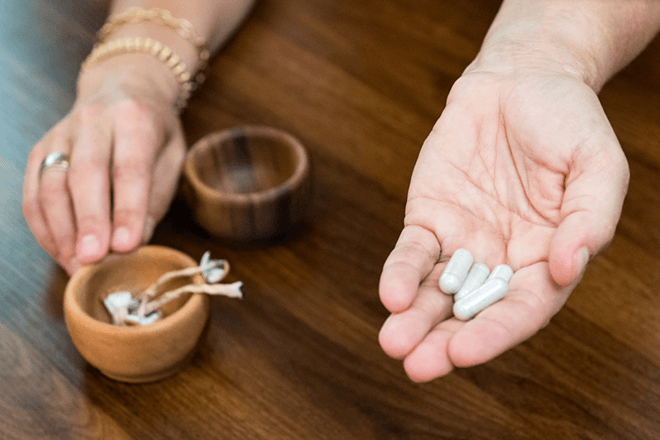
Study Participants Needed
- Denver Area
Who May Qualify:
- Are between 40 and 75 years old
- Live in or around the Denver metro area
- Not currently taking mental health medications
- Are interested in brain health and healthy aging
- Willing to attend in-person visits for ~8 weeks
*Participants will receive a range of credit toward future care services at PICMI.*
Claim Your SpotHelp Advance Brain Health Research
Join an innovative research study exploring how psilocybin may influence neuroplasticity and whether those biological changes correlate with learning, cognition, and healthy brain aging.
What Participation Includes
- Comprehensive cognitive testing
- Brain training and learning exercises
- Blood biomarker testing (4 blood draws)
- Genetic analysis related to treatment response
- Follow-up assessments
- Approximately 8 weeks of participation
Help Shape the Future of Brain Health
Join a Groundbreaking Neuroplasticity Research Study in Denver
What if the adult brain could become more adaptable, learn more efficiently, and maintain cognitive performance as we age?
Premier Integrative & Cognitive Medical Institute (PICMI), in collaboration with leading neuroscience researchers, is conducting an innovative study exploring one of the most exciting frontiers in medicine: neuroplasticity—the brain’s ability to form new connections, adapt, and change throughout life.
Emerging research suggests that psilocybin may temporarily create a unique window of enhanced neuroplasticity. This study seeks to better understand whether those changes can be measured through cognitive performance, learning ability, blood-based biomarkers, and genetics.

Why This Research Matters
For decades, medicine has focused primarily on treating cognitive decline after it occurs. This research asks a different question: can we better understand, measure, and potentially enhance the brain's ability to learn, adapt, and thrive?
Researchers will evaluate whether biological changes associated with neuroplasticity correlate with improvements in:
- Learning ability
- Cognitive flexibility
- Attention and focus
- Processing speed
- Executive function
- Overall cognitive performance

Looking Beyond Symptoms
Most studies focus on how participants feel. This study goes a step further.
Researchers will collect blood samples throughout the study to evaluate biomarkers associated with neuroplasticity, including Brain-Derived Neurotrophic Factor (BDNF), a protein often referred to as “fertilizer for the brain.”
The study will also explore genetic factors that may influence how individuals respond to psilocybin and neuroplasticity-based interventions. By combining biological markers, genetics, and cognitive performance testing, researchers hope to gain deeper insight into why some individuals experience greater changes than others.

Why Participate?
Participants will have the opportunity to:
- Contribute to cutting-edge neuroscience research
- Help advance the future of brain health and healthy aging
- Receive advanced cognitive performance testing
- Gain insights into their own brain health and cognitive function
- Participate in one of the most innovative areas of neuroscience research today
Participants assigned to certain study groups may receive reduced-cost treatment opportunities. Participants assigned to non-treatment groups may receive study credits that can be applied toward future services at PICMI.
See If You Qualify
If you meet the following qualifications, we want to hear from you!
- Are between 40 and 75 years old
- Live in or around the Denver metropolitan area
- Are interested in brain health and healthy aging
- Are willing to participate in study activities over approximately 8 weeks
*Participants will receive a range of credit toward future care services at PICMI.*